Buy developpement.eu ?
We are moving the project
developpement.eu .
Are you interested in purchasing the domain
developpement.eu ?
domain@kv-gmbh.de · 0541-91531010
Buy developpement.eu ?
Is linguistic design the same as linguistic devices?
No, linguistic design and linguistic devices are not the same. Linguistic design refers to the overall structure and organization of language, including factors such as syntax, semantics, and discourse patterns. On the other hand, linguistic devices are specific techniques or tools used within language to achieve certain effects, such as metaphors, similes, or alliteration. While linguistic devices are a part of linguistic design, they are just one component of the broader concept. **
What are non-linguistic signs and linguistic signs?
Non-linguistic signs are symbols or signals that convey meaning without the use of language, such as traffic lights, facial expressions, or body language. These signs rely on visual cues or gestures to communicate information. On the other hand, linguistic signs are symbols that represent specific meanings within a particular language system, such as words, letters, or numbers. Linguistic signs rely on the conventions and rules of language to convey meaning. **


Similar search terms for Linguistic
Top-Angebote
Products related to Linguistic:
-
Flythe Consulting Arika Wall Sconce Pair, Pair, Satin NickelThe Arika Wall Sconce Pair is an adaptation of old-fashioned light fixtures, with an appealing design that will complement modern decor. The lacquered solid brass sconces have 4.75 dia.x7 H clear glass hurricanes that will protect your standard...179,00 $*Shipping: 22,95 $Secure redirect to the provider
-
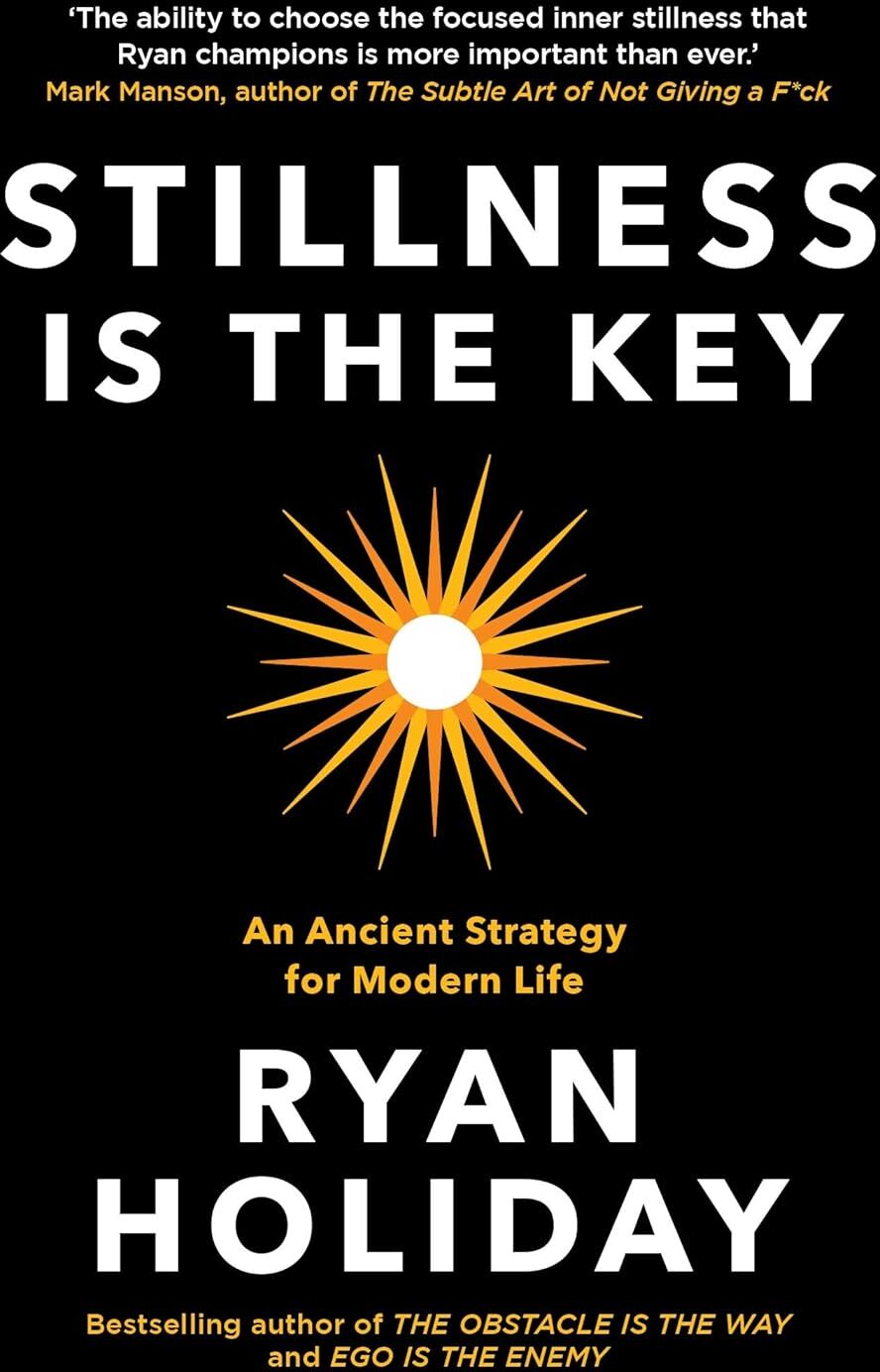
Profile Books Stillness Is The Key: An Ancient Strategy For Modern Life by Ryan Holiday - Hardback - Stoic Self-Help Book for Focus, Calm & Personal GrowthDiscover the timeless wisdom of Stillness Is the Key, a hardback guide to finding calm, clarity, and purpose in a busy world. Drawing on Stoic philosophy, Buddhist teaching, and stories from history's greatest leaders, thinkers, and athletes, Ryan Holiday argues that stillness is a discipline anyone can master. This book is a practical manual for living a calmer, sharper life, and is the final installment in Holiday's bestselling trilogy, alongside The Obstacle Is the Way and Ego Is the Enemy. Through three parts covering the mind, spirit, and body, Holiday explores how history's greatest figures cultivated inner stillness to achieve outer success, weaving together philosophy, biography, and psychology to reveal the secrets of the most successful and fulfilled individuals.8,99 £*Shipping: 2,99 £Secure redirect to the provider
-
HARPERCOLLINS Creative Confidence by Tom & David Kelley – Unleashing Your Creative Potential & Innovation MindsetA powerful and inspiring book from the founders of IDEO, the award-winning design firm, on unleashing the creativity that lies within each and every one of us. Too often, companies and individuals assume that creativity and innovation are the domain of the ‘creative types’. But two of the foremost experts in innovation, design and creativity on the planet show us that each and every one of us is creative. In an entertaining and inspiring narrative that draws on countless stories from their work at IDEO, and with many of the world's top companies and design firms, David and Tom Kelley identify the principles and strategies that will allow us to tap into our creative potential in our work lives, and in our personal lives, allow us to think outside the box in terms of how we approach and solve problems. ‘Creative Confidence’ is a book that will help each of us be more productive and successful in our lives and in our careers.4,95 £*Shipping: 1,99 £Secure redirect to the provider



-
What are good examples of linguistic and non-linguistic images?
Good examples of linguistic images include descriptive language that paints a vivid picture in the reader's mind, such as "the sun hung low in the sky, casting a warm golden glow over the fields." Non-linguistic images can include photographs, paintings, or other visual art that convey a specific mood or message without the use of words. For example, a photograph of a stormy sea with dark, churning waves can evoke a sense of danger and power without any accompanying text. Both linguistic and non-linguistic images can be powerful tools for communication and expression. **
-
What are linguistic peculiarities?
Linguistic peculiarities refer to unique or unusual features found in a language that set it apart from others. These can include specific grammar rules, pronunciation patterns, vocabulary choices, or cultural influences that shape the way a language is spoken or written. Linguistic peculiarities can vary widely from one language to another, making each language distinct and interesting in its own way. **
-
What are linguistic aspects?
Linguistic aspects refer to the different components of language that are studied in linguistics. These aspects include phonetics (the study of speech sounds), phonology (the study of sound patterns), morphology (the study of word structure), syntax (the study of sentence structure), semantics (the study of meaning), and pragmatics (the study of language use in context). Understanding these linguistic aspects helps us analyze and interpret language in a systematic way. **
-
What is linguistic redundancy?
Linguistic redundancy refers to the use of unnecessary or repetitive words, phrases, or information in communication. It can often be seen as a form of over-explaining or providing more information than is needed to convey a message. While some level of redundancy can help clarify communication and ensure understanding, excessive redundancy can lead to inefficiency and confusion in language. Overall, linguistic redundancy can be both a helpful tool for emphasizing key points and a hindrance to clear and concise communication. **


What are linguistic features?
Linguistic features are the characteristics of language that help to distinguish one language from another or one dialect from another. These features can include phonological features (such as the sounds used in a language), morphological features (such as word formation and inflection), syntactic features (such as word order and sentence structure), and semantic features (such as the meaning of words and how they are used in context). Linguistic features are essential for understanding and analyzing language and are used by linguists to study and compare different languages and dialects. **
What are linguistic devices?
Linguistic devices are techniques and structures used in language to convey meaning, create emphasis, and evoke certain emotions or responses from the audience. These devices can include figurative language such as metaphors and similes, as well as rhetorical devices like repetition and parallelism. They are used by writers and speakers to enhance the impact and effectiveness of their communication, and can be found in various forms of literature, poetry, speeches, and everyday conversation. **
Top-Angebote
Products related to Linguistic:
-
Zaffre Guilty by Definition: The instant Sunday Times bestselling linguistic mystery from Britain's wordsmith, Susie Dent (Clarendon Lexicographers)A coded letter. A missing woman. A truth waiting to be found. When an anonymous letter is delivered to the Clarendon English Dictionary office, it becomes rapidly clear that this is not the usual word-related enquiry. Instead, the letter hints at sinister events linked to a particular year. For editor Martha Thornhill, the date can mean only one thing: the summer her brilliant older sister Charlie went missing. Ten years on, Martha and her family are no closer to unravelling the mystery of Charlie's disappearance - until now. As more letters arrive, Martha and her team follow the linguistic clues to a troubling truth. It seems Charlie was keeping a powerful secret, and that someone is desperate to keep it well and truly buried. Guilty by Definition is a love letter not only to language but to the city of Oxford, wrapped within an intriguing mystery of a missing woman and considering the emotional aftershocks of her disappearance on those left behind.5,99 £*Shipping: 2,99 £Secure redirect to the provider
-
Tenpenny Parks Innovation Expansion by Thunderworks Games - Strategic Park ManagementTake your Tenpenny Parks experience further with the Innovation expansion from Thunderworks Games. Develop new ideas for your park, recruit additional specialists, and introduce exciting novelties that can change the way you plan and build. This expansion adds fresh strategic options to the park-management gameplay of Tenpenny Parks. Use research to improve your development plans, bring new specialists into your team, and create more distinctive attractions as you compete to shape a successful park. What’s included: Key features: - New innovation-focused content for Tenpenny Parks - Additional specialists to support your plans - New research and novelty options - More strategic choices during development Please note: This is an expansion and requires the Tenpenny Parks base game to play. It is suitable for players who want to add variety and further strategic depth to their existing game.36,98 £*Shipping: 3,95 £Secure redirect to the provider
-
Flythe Consulting Arika Wall Sconce Pair, Pair, Satin NickelThe Arika Wall Sconce Pair is an adaptation of old-fashioned light fixtures, with an appealing design that will complement modern decor. The lacquered solid brass sconces have 4.75 dia.x7 H clear glass hurricanes that will protect your standard...179,00 $*Shipping: 22,95 $Secure redirect to the provider
-
Is linguistic design the same as linguistic devices?
No, linguistic design and linguistic devices are not the same. Linguistic design refers to the overall structure and organization of language, including factors such as syntax, semantics, and discourse patterns. On the other hand, linguistic devices are specific techniques or tools used within language to achieve certain effects, such as metaphors, similes, or alliteration. While linguistic devices are a part of linguistic design, they are just one component of the broader concept. **
-
What are non-linguistic signs and linguistic signs?
Non-linguistic signs are symbols or signals that convey meaning without the use of language, such as traffic lights, facial expressions, or body language. These signs rely on visual cues or gestures to communicate information. On the other hand, linguistic signs are symbols that represent specific meanings within a particular language system, such as words, letters, or numbers. Linguistic signs rely on the conventions and rules of language to convey meaning. **
-
What are good examples of linguistic and non-linguistic images?
Good examples of linguistic images include descriptive language that paints a vivid picture in the reader's mind, such as "the sun hung low in the sky, casting a warm golden glow over the fields." Non-linguistic images can include photographs, paintings, or other visual art that convey a specific mood or message without the use of words. For example, a photograph of a stormy sea with dark, churning waves can evoke a sense of danger and power without any accompanying text. Both linguistic and non-linguistic images can be powerful tools for communication and expression. **
-
What are linguistic peculiarities?
Linguistic peculiarities refer to unique or unusual features found in a language that set it apart from others. These can include specific grammar rules, pronunciation patterns, vocabulary choices, or cultural influences that shape the way a language is spoken or written. Linguistic peculiarities can vary widely from one language to another, making each language distinct and interesting in its own way. **
Similar search terms for Linguistic
-
Profile Books Stillness Is The Key: An Ancient Strategy For Modern Life by Ryan Holiday - Hardback - Stoic Self-Help Book for Focus, Calm & Personal GrowthDiscover the timeless wisdom of Stillness Is the Key, a hardback guide to finding calm, clarity, and purpose in a busy world. Drawing on Stoic philosophy, Buddhist teaching, and stories from history's greatest leaders, thinkers, and athletes, Ryan Holiday argues that stillness is a discipline anyone can master. This book is a practical manual for living a calmer, sharper life, and is the final installment in Holiday's bestselling trilogy, alongside The Obstacle Is the Way and Ego Is the Enemy. Through three parts covering the mind, spirit, and body, Holiday explores how history's greatest figures cultivated inner stillness to achieve outer success, weaving together philosophy, biography, and psychology to reveal the secrets of the most successful and fulfilled individuals.8,99 £*Shipping: 2,99 £Secure redirect to the provider
-
HARPERCOLLINS Creative Confidence by Tom & David Kelley – Unleashing Your Creative Potential & Innovation MindsetA powerful and inspiring book from the founders of IDEO, the award-winning design firm, on unleashing the creativity that lies within each and every one of us. Too often, companies and individuals assume that creativity and innovation are the domain of the ‘creative types’. But two of the foremost experts in innovation, design and creativity on the planet show us that each and every one of us is creative. In an entertaining and inspiring narrative that draws on countless stories from their work at IDEO, and with many of the world's top companies and design firms, David and Tom Kelley identify the principles and strategies that will allow us to tap into our creative potential in our work lives, and in our personal lives, allow us to think outside the box in terms of how we approach and solve problems. ‘Creative Confidence’ is a book that will help each of us be more productive and successful in our lives and in our careers.4,95 £*Shipping: 1,99 £Secure redirect to the provider
-
Flythe Consulting Jonetia Hurricane Wall Sconce Pair Satin Brass, Pair, Satin BrassThe Jonetia Satin Brass Hurricane Wall Sconce Pair proudly displays grandeur on your walls. These hand-forged, solid brass sconces feature a diamond design and fleur-de-lis motif. Sconces have a lacquered, satin brass finish that is done by hand. A...229,00 $*Shipping: 32,06 $Secure redirect to the provider
-
Space Cowboys Sherlock Holmes: Consulting Detective – Carlton House & Queen’s Park, 10 CasesStep into Victorian London and investigate a new collection of challenging cases in this standalone edition of Sherlock Holmes: Consulting Detective. As a team of investigators, examine clues, follow leads, and question your powers of deduction as you work to solve each mystery. This edition includes 10 cases with varying levels of difficulty, offering an engaging experience for players who enjoy detailed investigations, logical reasoning, and collaborative problem-solving. Each case invites you to study the evidence carefully and decide which trail to follow while avoiding distractions and misleading information. Designed for group play, the game provides an immersive tabletop experience for fans of Sherlock Holmes and mystery games. Carlton House & Queen’s Park is a standalone installment in the Consulting Detective range and can be enjoyed as its own collection of investigations.27,45 £*Shipping: 3,95 £Secure redirect to the provider
-
What are linguistic aspects?
Linguistic aspects refer to the different components of language that are studied in linguistics. These aspects include phonetics (the study of speech sounds), phonology (the study of sound patterns), morphology (the study of word structure), syntax (the study of sentence structure), semantics (the study of meaning), and pragmatics (the study of language use in context). Understanding these linguistic aspects helps us analyze and interpret language in a systematic way. **
-
What is linguistic redundancy?
Linguistic redundancy refers to the use of unnecessary or repetitive words, phrases, or information in communication. It can often be seen as a form of over-explaining or providing more information than is needed to convey a message. While some level of redundancy can help clarify communication and ensure understanding, excessive redundancy can lead to inefficiency and confusion in language. Overall, linguistic redundancy can be both a helpful tool for emphasizing key points and a hindrance to clear and concise communication. **
-
What are linguistic features?
Linguistic features are the characteristics of language that help to distinguish one language from another or one dialect from another. These features can include phonological features (such as the sounds used in a language), morphological features (such as word formation and inflection), syntactic features (such as word order and sentence structure), and semantic features (such as the meaning of words and how they are used in context). Linguistic features are essential for understanding and analyzing language and are used by linguists to study and compare different languages and dialects. **
-
What are linguistic devices?
Linguistic devices are techniques and structures used in language to convey meaning, create emphasis, and evoke certain emotions or responses from the audience. These devices can include figurative language such as metaphors and similes, as well as rhetorical devices like repetition and parallelism. They are used by writers and speakers to enhance the impact and effectiveness of their communication, and can be found in various forms of literature, poetry, speeches, and everyday conversation. **
* All prices are inclusive of VAT and, if applicable, plus shipping costs. The offer information is based on the details provided by the respective shop and is updated through automated processes. Real-time updates do not occur, so deviations can occur in individual cases. ** Note: Parts of this content were created by AI.